
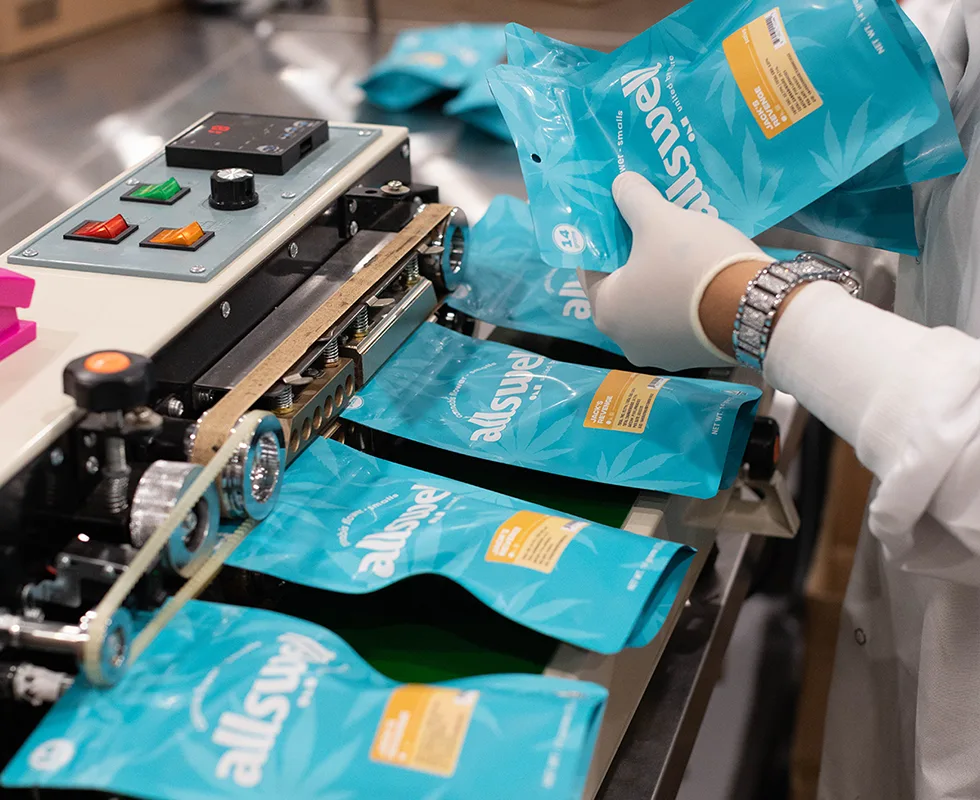


What Is the Difference Between Cannabis Manufacturing and Distribution?
What Is the Difference Between Cannabis Manufacturing and Distribution?
Key Takeaways
- Cannabis manufacturing and distribution are separate licensed activities in California, governed by different license types and regulatory requirements.
- Manufacturing transforms raw cannabis inputs into finished, packaged, compliant products. Distribution moves those products from the manufacturer to licensed retailers.
- California has two primary manufacturing license types: Type 6 (non-volatile solvent or no solvent) and Type 7 (volatile solvent). Each authorizes different production activities.
- Distributors in California are responsible for quality assurance, testing coordination, tax collection, and transportation between licensees — not just logistics.
- Most cannabis brands work with both a manufacturing partner and a distribution partner, unless they hold licenses for both activities themselves.
- Some licensed manufacturers offer distribution support, which can simplify the path from production to retail for brands looking to reduce supply chain complexity.
Two Different Roles in the California Cannabis Supply Chain
The California cannabis supply chain has a specific structure defined by state law. Every product that reaches a dispensary shelf has passed through a sequence of licensed activities — and manufacturing and distribution are two of the most important.
They are also two that are frequently misunderstood, confused with each other, or assumed to be the same thing.
They are not.
Manufacturing is the process of transforming cannabis into a finished product — packaging flower, rolling pre-rolls, filling vape carts, processing concentrates. Distribution is the process of moving those finished products through the supply chain to licensed retailers, while managing quality assurance, testing coordination, and tax compliance along the way.
Both activities require separate licenses in California. Both involve distinct regulatory obligations. And for most cannabis brands, both require separate business relationships unless the brand holds licenses for both functions or works with a partner that does.
This guide explains what each activity involves, what the relevant California license types authorize, how the two functions interact in the supply chain, and what cannabis brands need to know when choosing their manufacturing and distribution partners.
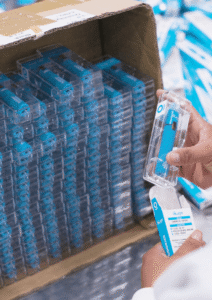
What Is Cannabis Manufacturing in California?
Cannabis manufacturing is the licensed activity of transforming raw cannabis or cannabis products into finished goods ready for sale.
In the simplest terms: manufacturing is what happens between raw input and retail-ready product.
What Cannabis Manufacturers Do
The scope of manufacturing activity depends on the license type, but cannabis manufacturers in California are authorized to perform activities including:
- Packaging and labeling cannabis flower for retail sale
- Manufacturing pre-rolled cannabis products
- Filling and assembling vape cartridges and disposable devices
- Packaging and labeling concentrates
- Producing infused products and edibles (where license type permits)
- Extracting cannabinoids from cannabis plant material
- Producing cannabis oil, distillate, and other extracted products
- White label and private label production for other brands
- Co-packing services for brands that provide their own inputs
The California Manufacturing License Types
California issues two primary manufacturing license types, distinguished primarily by the type of solvents used in production.
Type 6: Non-Volatile Solvent Manufacturing
A Type 6 cannabis manufacturing license authorizes the use of non-volatile solvents or no solvents in the manufacturing process. This includes:
- Mechanical extraction methods
- Non-volatile solvents such as water, food-grade glycerin, food-grade ethanol, and food-grade propylene glycol
- Carbon dioxide (CO2) extraction
- Packaging and labeling of cannabis products
- Infused product manufacturing using approved methods
Type 6 licenses are appropriate for facilities that do not use volatile solvents in their extraction or manufacturing processes. Many co-packing and packaging operations operate under a Type 6 license because the primary activities — packaging, labeling, assembly, and filling — do not require volatile solvent use.
Type 7: Volatile Solvent Manufacturing
A Type 7 cannabis manufacturing license authorizes the use of volatile solvents in the manufacturing process, in addition to all activities permitted under Type 6. Volatile solvents include butane, propane, hexane, and similar compounds commonly used in hydrocarbon extraction.
Type 7 facilities are subject to more stringent safety and facility requirements because of the fire and explosion risks associated with volatile solvent use. This includes requirements for:
- Classified electrical systems designed for use in hazardous locations
- Explosion-proof equipment and ventilation systems
- Local fire department review and approval
- Strict storage and handling protocols for flammable materials
Type 7 licenses are required for facilities producing BHO (butane hash oil), PHO (propane hash oil), and other hydrocarbon-extracted concentrates.
| License Type | Authorized Activities |
| Type 6 | Non-volatile solvents (water, ethanol, CO2), mechanical extraction, packaging, labeling, infused products |
| Type 7 | All Type 6 activities plus volatile solvent extraction (butane, propane, hexane, etc.) |
What Manufacturing Does Not Include
California’s manufacturing license does not authorize the transportation of cannabis products between licensees or the collection of cannabis excise taxes on behalf of the state. Those activities fall under the distribution license.
A licensed manufacturer can produce and package products within their facility. Moving those products to a retailer requires a licensed distributor.
What Is Cannabis Distribution in California?
Cannabis distribution in California is significantly more than logistics. A licensed cannabis distributor in California is responsible for a set of regulated activities that sit between the manufacturer and the retailer — and they are not optional steps that can be skipped.
California law requires that cannabis products pass through a licensed distributor before reaching a licensed retailer. Brands cannot deliver products directly to dispensaries without a distribution license.
What California Cannabis Distributors Do
| Distributor Function | What It Involves |
| Quality Assurance | Distributors conduct quality assurance review of products before they are released for sale, verifying that packaging meets DCC requirements |
| Testing Coordination | Distributors are responsible for ensuring products are tested by a licensed testing laboratory before sale — they transport samples to labs and receive COA results |
| Tax Collection | Cannabis excise tax is assessed and collected at the distributor-to-retailer level — distributors are responsible for remitting this tax to the state |
| Transportation | Licensed distributors transport cannabis products between licensees using DCC-compliant vehicles and manifests |
| Metrc Transfers | Distributors record all product transfers in California’s Metrc track-and-trace system |
| Storage | Many distributors provide licensed storage for products awaiting testing, QA review, or retailer pickup |
| Retail Account Management | Some distributors actively manage retail relationships and broker placements for the brands they represent |
The Distribution License: Type 11
California’s primary cannabis distribution license is the Type 11 distributor license. It authorizes the holder to transport cannabis and cannabis products between licensed businesses, conduct quality assurance, coordinate testing, and collect excise taxes.
There is also a Type 13 self-distribution license, which allows licensed retailers to transport cannabis products they have purchased from a distributor to their own retail locations. This is a narrower license than the Type 11 and does not authorize all the functions of a full distributor.
Why Distribution Is Not Just Trucking
New operators sometimes think of distribution as a delivery service — a truck that picks up finished products and drops them at dispensaries. In California, that significantly undersells what distribution actually involves.
Distributors are responsible for the quality assurance checkpoint that every product must pass before reaching retail. They coordinate with licensed testing labs to ensure COAs are current and accurate. They collect and remit excise tax. They manage the Metrc transfers that keep the state track-and-trace system accurate.
Choosing the right distribution partner is a meaningful business decision — not just a logistics arrangement.
| Looking for Manufacturing Support With a Path to Distribution?
At Chronic USA®, we help brands move from raw inputs to retail-ready products and can connect you with distribution partners to simplify your path to shelf. |
Cannabis Manufacturing vs. Distribution: Side by Side
| Factor | Manufacturing | Distribution |
| Primary Function | Transform cannabis into finished products | Move finished products to retailers |
| California License Type | Type 6 or Type 7 manufacturing license | Type 11 distributor license |
| Where It Happens | Licensed manufacturing facility | Licensed vehicles and storage facilities |
| Key Activities | Packaging, filling, labeling, extraction, assembly | Transportation, QA, testing coordination, tax collection |
| Regulatory Body | Department of Cannabis Control (DCC) | Department of Cannabis Control (DCC) |
| Tax Responsibility | No direct excise tax obligation | Collects and remits cannabis excise tax |
| Testing Responsibility | Produces product — coordinates with distributor | Coordinates and confirms testing before retail release |
| Metrc Role | Creates batches, tags packages at production | Records transfers between licensees |
| Direct Retail Sales | Not permitted under manufacturing license | Not permitted under distribution license |
How Manufacturing and Distribution Work Together in the Supply Chain
Understanding the relationship between manufacturing and distribution requires seeing where each fits in the product’s journey from plant to shelf.
The California Cannabis Supply Chain Flow
| Supply Chain Stage | What Happens |
| Cultivation | Licensed cultivator grows cannabis and harvests plant material |
| Manufacturing | Licensed manufacturer processes, packages, and labels finished products |
| Distribution | Licensed distributor conducts QA, coordinates testing, transports to retailers |
| Retail | Licensed retailer sells to qualified adult consumers |
Manufacturing and distribution are sequential, not parallel. A product must be manufactured before it can be distributed. A product must be distributed before it can be sold at retail.
The handoff between manufacturing and distribution is also a significant compliance checkpoint. When products leave a manufacturing facility and enter the distribution chain, they are reviewed for quality assurance and testing compliance before being released for retail sale.
The Testing Gate
One of the most important functions distributors perform is managing the testing gate — the point in the supply chain where products must pass state-required laboratory testing before they can be sold.
The sequence works like this:
- The manufacturer completes production and packages finished products
- The distributor takes custody of the products and submits samples to a licensed testing laboratory
- The testing lab conducts the required panel and issues a certificate of analysis
- If the product passes testing, the distributor releases it for retail sale
- If the product fails testing, it must be remediated or destroyed — it cannot be sold
The distributor’s role in this process means that testing compliance is partly a shared responsibility between the manufacturer and the distributor. Manufacturers who produce consistent, well-documented products with accurate COA data make the distribution and testing process smoother. Distributors who have strong testing lab relationships and efficient QA workflows reduce the time between production completion and retail availability.
Excise Tax and the Distribution Relationship
California’s cannabis excise tax is collected at the point of sale between the distributor and the retailer. As of 2025, the rate is 15% of the average market price.
This means the distributor is responsible for calculating, collecting, and remitting this tax to the California Department of Tax and Fee Administration. For brands, this tax flows through the supply chain and ultimately affects product pricing and margin calculations.
Understanding how excise tax works at the distributor level is important for any brand doing financial modeling on California cannabis products.
Can Cannabis Manufacturers Also Distribute?
This is one of the most common questions from brands building their California supply chain. The answer is: it depends on the license structure.
Holding Both Licenses
A cannabis business can hold both a manufacturing license and a distribution license in California. Holding both licenses allows the business to manufacture products and then distribute them directly to licensed retailers without engaging a third-party distributor.
This is sometimes referred to as vertical integration within the manufacturing and distribution segment of the supply chain.
Operating with both licenses requires meeting all the regulatory requirements for each license type separately, maintaining separate operational systems for each function, and managing additional compliance obligations — including excise tax collection and remittance.
Microbusiness Licenses
California also offers a microbusiness license, which can authorize multiple cannabis activities under a single license, potentially including manufacturing, distribution, and retail depending on the license configuration.
Microbusiness licenses are subject to their own requirements and limitations and are designed primarily for smaller-scale operations.
What Most Brands Do
Most cannabis brands — especially those focused on building a product line rather than operating supply chain infrastructure — work with a licensed manufacturer for production and a separate licensed distributor for distribution.
Some licensed manufacturing facilities have established relationships with distribution partners and can provide introductions or facilitate connections that simplify the supply chain for brands entering the market.
| License Situation | What It Means for Operations |
| Hold manufacturing license only | Must work with a licensed third-party distributor |
| Hold distribution license only | Must work with a licensed third-party manufacturer (or cultivator) |
| Hold both licenses | Can manufacture and distribute directly to retailers |
| Microbusiness license | May authorize manufacturing, distribution, and retail depending on configuration |
| Work with manufacturing partner | Partner’s license covers manufacturing — brand still needs distribution |
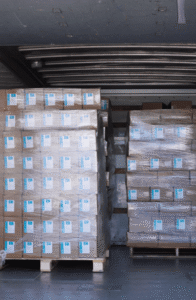
Choosing the Right Manufacturing and Distribution Partners
For most cannabis brands, manufacturing and distribution are partnerships, not internal functions. Choosing the right partners in each category has a direct impact on product quality, production speed, retail relationships, and supply chain reliability.
What to Look for in a Cannabis Manufacturing Partner
- Valid California manufacturing license (Type 6 or Type 7 depending on product needs) in good standing with the DCC
- Experience across multiple product categories — flower, pre-rolls, vapes, concentrates, white label
- Established compliance workflows for packaging, labeling, and Metrc
- Production capacity that can support your current volume and anticipated growth
- Reliable turnaround times and clear communication on production schedules
- Experience supporting brands through launch and scaling, not just processing orders
What to Look for in a Cannabis Distribution Partner
- Valid California Type 11 distributor license in good standing
- Established relationships with licensed testing laboratories and efficient QA workflows
- Retail relationships in the markets where you want to sell — not just transportation capability
- Transparent fee structures — distribution fees typically range from 15% to 30% of wholesale value
- Metrc compliance expertise and accurate transfer management
- Clear communication on timelines, inventory status, and retail account feedback
When Your Manufacturing Partner Has Distribution Connections
Some licensed cannabis manufacturing facilities have established relationships with distribution partners and can provide introductions, referrals, or direct coordination that simplifies the supply chain for brands entering the California market.
For new brands in particular, having a manufacturing partner that understands the distribution landscape and can help navigate the transition from production to retail is a meaningful operational advantage.
| Need a Manufacturing Partner With California Supply Chain Experience?
Chronic USA® helps cannabis brands move from raw inputs to retail-ready products and can support the connection to distribution partners who know California’s retail market. |
Common Questions About Manufacturing vs. Distribution
Can a Cannabis Brand Deliver Directly to Dispensaries?
No. California law requires that cannabis products pass through a licensed distributor before reaching a licensed retailer. A brand with only a manufacturing license cannot deliver products directly to dispensaries. A licensed distributor must be involved in the transfer.
Who Is Responsible for Testing — the Manufacturer or the Distributor?
Distributors are responsible for coordinating and ensuring that testing is completed before products are released for retail sale. However, manufacturers are responsible for producing products that accurately represent their contents and providing accurate batch documentation that testing can be matched against.
In practice, testing compliance is a shared responsibility: the manufacturer produces accurate, well-documented batches, and the distributor manages the testing logistics and QA review before retail release.
What Happens if a Product Fails Testing?
Products that fail state-required testing cannot be sold. Depending on the type of failure, products may be eligible for remediation — reprocessing or treatment to address the failed testing category — or they may need to be destroyed.
The distributor manages this process in coordination with the manufacturer. Products are held in the distribution chain until testing compliance is resolved.
Does a Manufacturing Partner Need a Distribution License to Move Products?
Yes. A manufacturing license does not authorize the transportation of cannabis products between licensed businesses. If a manufacturer moves products to a distribution facility, the receiving party must hold a distribution license. If the manufacturer itself is transporting products between locations, they need a distribution license for that activity.
| Ready to Build Your California Cannabis Supply Chain?
Chronic USA® is a licensed Type 7 cannabis manufacturing and co-packing facility in Long Beach, California. We help cannabis brands move from raw inputs to shelf-ready products with fast turnarounds, compliance built in, and experience navigating the California supply chain. Our facility supports: Pre-roll manufacturing · Flower packaging · Cart filling · Concentrate packaging · White label products · Compliance packaging · Distribution support · High-volume production |
Frequently Asked Questions
What is the difference between cannabis manufacturing and distribution in California?
Cannabis manufacturing is the licensed process of transforming raw cannabis into finished, packaged, compliant products. Cannabis distribution is the licensed process of moving those products through the supply chain to licensed retailers, while managing quality assurance, testing coordination, excise tax collection, and Metrc transfers. Both require separate licenses and involve distinct regulatory obligations.
What does a cannabis distributor do in California?
A California cannabis distributor does significantly more than transportation. Licensed distributors conduct quality assurance review of products before retail release, coordinate state-required laboratory testing, collect and remit cannabis excise tax, transport products between licensees using DCC-compliant vehicles and manifests, record all transfers in California’s Metrc track-and-trace system, and in many cases actively manage retail relationships on behalf of the brands they represent.
What is a Type 7 cannabis manufacturing license?
A Type 7 cannabis manufacturing license in California authorizes the use of volatile solvents — including butane, propane, and hexane — in the manufacturing process. It covers all activities permitted under a Type 6 license (non-volatile solvent manufacturing, packaging, labeling, infused product manufacturing) plus hydrocarbon extraction methods. Type 7 facilities are subject to more stringent facility and safety requirements because of the fire and explosion risks associated with volatile solvent use.
What is a Type 6 cannabis manufacturing license?
A Type 6 cannabis manufacturing license authorizes cannabis manufacturing using non-volatile solvents or no solvents. Authorized activities include mechanical extraction, water-based extraction, CO2 extraction, ethanol extraction, packaging and labeling of cannabis products, and infused product manufacturing. Most cannabis co-packing and packaging operations hold Type 6 licenses because packaging, filling, and assembly do not require volatile solvent use.
Can cannabis manufacturers distribute their own products in California?
Yes, but only if they hold a separate distribution license in addition to their manufacturing license. A manufacturing license alone does not authorize transportation of cannabis products between licensees or collection of excise taxes. To self-distribute, a manufacturer must hold a valid Type 11 distributor license and meet all the operational and compliance requirements for both license types.
Do cannabis brands need both a manufacturer and a distributor?
Most cannabis brands work with both a licensed manufacturing partner and a licensed distribution partner. The manufacturer produces and packages the products. The distributor handles QA, testing coordination, transportation, excise tax, and retail delivery. Some manufacturing partners have established distributor relationships and can facilitate introductions that simplify this part of the supply chain.
Who collects cannabis excise tax in California?
Cannabis excise tax in California is collected at the distributor-to-retailer level. Licensed distributors are responsible for calculating, collecting, and remitting the 15% excise tax to the California Department of Tax and Fee Administration. This tax flows through the supply chain and affects the pricing and margin structure of every California cannabis product.
Can a cannabis brand sell directly to dispensaries without a distributor?
No. California law requires that cannabis products pass through a licensed distributor before reaching a licensed retailer. Brands that hold only a manufacturing license cannot deliver products directly to dispensaries. A licensed distributor must be part of every product’s journey from manufacturing to retail sale.
What is the difference between Type 6 and Type 7 cannabis manufacturing?
The primary difference is solvent type. A Type 6 license covers manufacturing with non-volatile solvents or no solvents — water, CO2, ethanol, mechanical extraction, packaging, and assembly. A Type 7 license covers all Type 6 activities plus manufacturing with volatile solvents such as butane and propane, which are used in hydrocarbon extraction to produce BHO, PHO, and similar concentrates. Type 7 facilities face additional safety and facility requirements due to the hazardous nature of volatile solvents.
What happens during quality assurance review in cannabis distribution?
During quality assurance review, the distributor inspects finished products to verify that packaging meets DCC requirements, labels include all required elements, cannabinoid content on labels matches the COA, child-resistant packaging is correctly applied, tamper-evident seals are present, and Metrc documentation is accurate and complete. Products that do not pass QA review cannot be released for retail sale.